
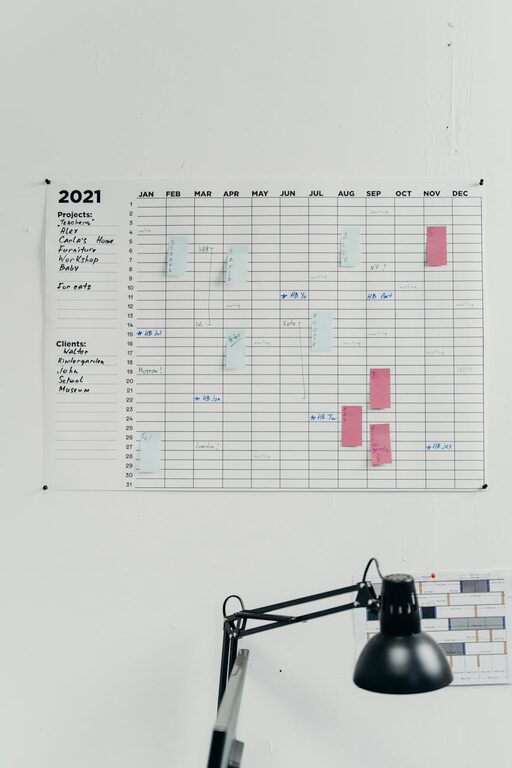
In today’s busy world, keeping a family organized can feel like a full-time job. Between school events, work appointments, meal planning, and household chores, staying on top of everything is often a challenge. That’s where a family command center comes in – a centralized space designed to simplify communication and keep your family’s schedule clear.
In this post, we’ll explore how you can set up a family command center that fits your home and lifestyle, helping everyone stay connected, organized, and prepared.
What Is a Family Command Center?
A family command center is a dedicated area in your home where important information and essentials are gathered in one place. It serves as the household’s organizational hub, featuring calendars, to-do lists, meal plans, mail organizers, and more. This setup makes it easy for every family member to see what’s coming up and what needs to be done.
Choosing the Right Spot
The first step is to pick the ideal location for your command center. Consider areas your family passes by frequently, such as:
– The kitchen (near the fridge or a wall)
– Entryway or hallway
– Mudroom
– Home office or a common living area
It should be easily accessible to all family members while having enough space for your materials.
Supplies You’ll Need
Gather some basic supplies that will help keep your command center functional and visually appealing:
– Corkboard, whiteboard, or chalkboard for notes and reminders
– Calendar (paper or digital display)
– Wall-mounted file holders or an organizer for mail and documents
– Hooks or small baskets for keys and small items
– Dry erase markers, pens, and sticky notes
– Labels or chalk markers for easy identification
Customize your supplies based on your family’s needs.
Setting Up Your Family Command Center
1. Install Your Base
Start by mounting or positioning your board (corkboard, whiteboard, or chalkboard) and calendar. A large calendar is essential for tracking events such as appointments, school activities, and deadlines. Consider using a monthly view for the big picture and a weekly planner for day-to-day details.
2. Organize Important Papers
Use file holders or magazine racks attached to the wall for sorting mail, school papers, bills, and invitations. Assign separate slots for each family member or paper type to reduce clutter.
3. Create a To-Do List Area
Set up a space for to-do lists or chore charts. You can use sticky notes, a whiteboard, or printed lists. Having visible responsibilities encourages family members to pitch in.
4. Add Key Storage
Hooks or small baskets near the command center can hold keys, sunglasses, and other essentials that are easy to misplace.
5. Incorporate a Meal Planner
If meal planning is part of your routine, include a section for weekly menus and grocery lists to avoid last-minute scrambling.
6. Personalize the Space
Decorate the command center with photos, artwork, or motivational quotes to make it inviting. A welcoming space increases the chances that everyone will use it regularly.
Tips for Maintaining Your Command Center
– Schedule Weekly Check-Ins: Make it a family habit to review the calendar and tasks together once a week.
– Keep It Simple: Don’t overload the space with too much information. Focus on what’s truly needed.
– Update Regularly: Remove completed tasks and outdated documents.
– Make It Accessible: Ensure all family members, including kids, can reach and use the materials.
– Involve Everyone: Encourage each person to contribute to keeping the command center current.
Benefits of Having a Family Command Center
– Enhances family communication and reduces forgotten appointments
– Creates a central location for mail and important documents
– Simplifies meal planning and grocery shopping
– Encourages shared responsibility among family members
– Reduces clutter by consolidating paperwork and reminders
Final Thoughts
A family command center is a practical and customizable solution for households of any size. By dedicating a small area and thoughtfully organizing it, you can ease daily stresses and keep the entire family on track. Whether you opt for a simple wall-mounted board or a more elaborate setup with baskets and planners, the key is consistency and engagement from everyone.
Give it a try, and watch how this little change can make a big difference in your home’s daily rhythm. Happy organizing!