
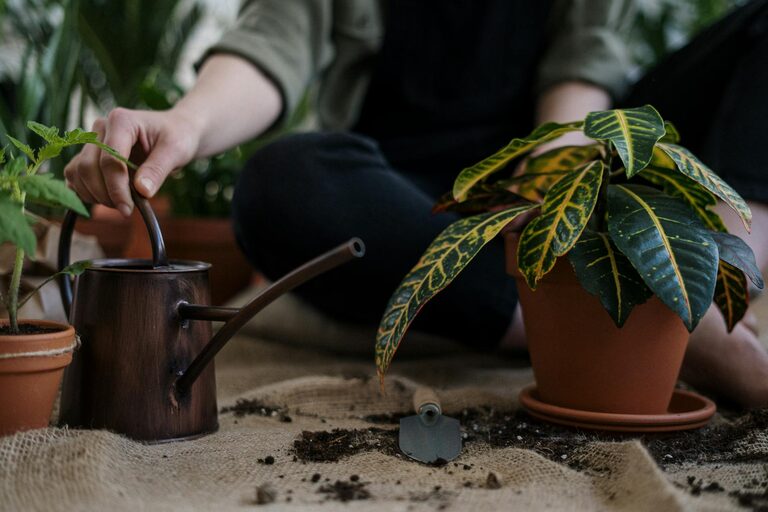
Starting a small herb garden indoors is a rewarding way to bring freshness and flavor right to your kitchen. Whether you have a spacious home or a cozy apartment, growing your own herbs indoors is simple and enjoyable. In this guide, we’ll walk you through everything you need to know to start your own small indoor herb garden.
Why Grow Herbs Indoors?
Growing herbs indoors offers many benefits. Fresh herbs are always on hand for cooking, which can improve the taste and nutrition of your meals. Indoor gardens also brighten your living space and can improve air quality. Plus, tending to your plants is a relaxing hobby that connects you with nature, even if you don’t have outdoor space.
Choosing the Right Herbs for Indoor Gardening
Not all herbs thrive indoors equally. When selecting herbs for your indoor garden, consider:
– Basil: Popular in many dishes, basil loves warmth and sunlight.
– Mint: Easy to grow and great for teas and garnishes.
– Parsley: A versatile herb that grows well indoors.
– Chives: Adds a mild onion flavor; ideal for small pots.
– Thyme: Compact and hardy, making it perfect for windowsills.
– Oregano: Needs good sunlight but is low maintenance.
Start with a few of these to keep your garden manageable.
What You’ll Need to Get Started
Before planting, gather the essential supplies:
– Containers: Choose pots or containers with drainage holes.
– Potting Mix: Use a high-quality potting soil formulated for indoor plants.
– Herb Seeds or Seedlings: Decide whether to start from seed or buy young plants.
– Watering Can: A small watering can with a gentle spout helps control watering.
– Trays or Saucers: To catch excess water and protect your furniture.
– Light Source: A sunny windowsill or grow lights if natural light is limited.
Step-by-Step Guide to Planting Your Indoor Herb Garden
1. Select the Location
Most herbs need at least 6 hours of sunlight daily. A south-facing window is ideal. If your space lacks natural light, consider investing in LED grow lights to provide the necessary light spectrum for healthy growth.
2. Prepare the Containers
Ensure your pots have proper drainage to prevent waterlogging. Fill each container with potting mix, leaving about an inch of space at the top.
3. Plant the Herbs
– From seeds: Follow instructions on the seed packet. Usually, you’ll want to plant seeds about twice as deep as their size.
– From seedlings: Gently loosen roots and place the plant in the soil, then fill around it and lightly press down.
Water the soil thoroughly but avoid soaking.
4. Watering and Care
Water your herbs when the top inch of soil feels dry. Be careful not to overwater, as this can cause root rot. Mist the plants occasionally to maintain humidity.
5. Feeding Your Herbs
Indoor herbs benefit from occasional feeding. Use a balanced, water-soluble fertilizer every 4-6 weeks, following the package instructions carefully.
Tips for Maintaining a Healthy Herb Garden Indoors
– Rotate plants: Turn your containers regularly to encourage even growth.
– Prune regularly: Harvest leaves by pinching off the top to promote bushier growth.
– Check for pests: Keep an eye out for common pests like aphids or spider mites and address issues promptly.
– Clean leaves: Dust leaves gently with a damp cloth to help with photosynthesis.
Harvesting Your Herbs
You can start harvesting once your herbs have enough leaves to sustain growth. Use scissors to snip leaves or stems, leaving enough of the plant intact to continue growing. Regular harvesting encourages new growth and keeps plants healthy.
Troubleshooting Common Problems
– Yellow leaves: May indicate overwatering or poor drainage.
– Leggy plants: Usually caused by insufficient light.
– Wilting: Could be root rot or underwatering.
– Pests: Treat with mild insecticidal soap or natural remedies.
Adjust care as needed to keep your garden thriving.
Conclusion
Starting a small herb garden indoors is an easy and delightful way to enhance your cooking and living space. With the right herbs, containers, and care, you can enjoy fresh flavors year-round. Whether you’re a gardening novice or a seasoned plant enthusiast, these tips will help you create a vibrant indoor herb garden that brightens your home.
Happy gardening!